Islamic Guidance for Social Media Use
Avoiding Gossip, Backbiting, and False Information
One of the biggest moral pitfalls online is gossip. The Qur’an compares backbiting to eating the flesh of one’s dead brother—an image that highlights its ugliness. In the digital world, this warning applies to spreading rumors, mocking others, or sharing unverified stories.
Promoting Positive and Beneficial Content
Instead of contributing to the flood of harmful content, Muslims are encouraged to share knowledge, wisdom, and uplifting messages. The Prophet (peace be upon him) said: “Convey from me, even if it is one verse.” This highlights the importance of sharing beneficial information.
The Concept of Digital Modesty
Modesty isn’t just about dress—it extends to speech, behavior, and online presence. Posting respectfully, avoiding indecent content, and practicing humility online reflect Islamic values of haya (modesty).
Case Studies: Applying Islamic Morality in Technology
Ethical Use of Artificial Intelligence
AI tools raise questions about surveillance, bias, and misuse. Islamic morality stresses justice and fairness, reminding us that technology must serve humanity and not exploit it.
Digital Finance and Islamic Principles
From online banking to cryptocurrency, Muslims must ensure their financial dealings align with Sharia principles. This means avoiding interest (riba), fraud, and unethical investments.
Online Education and Moral Responsibility
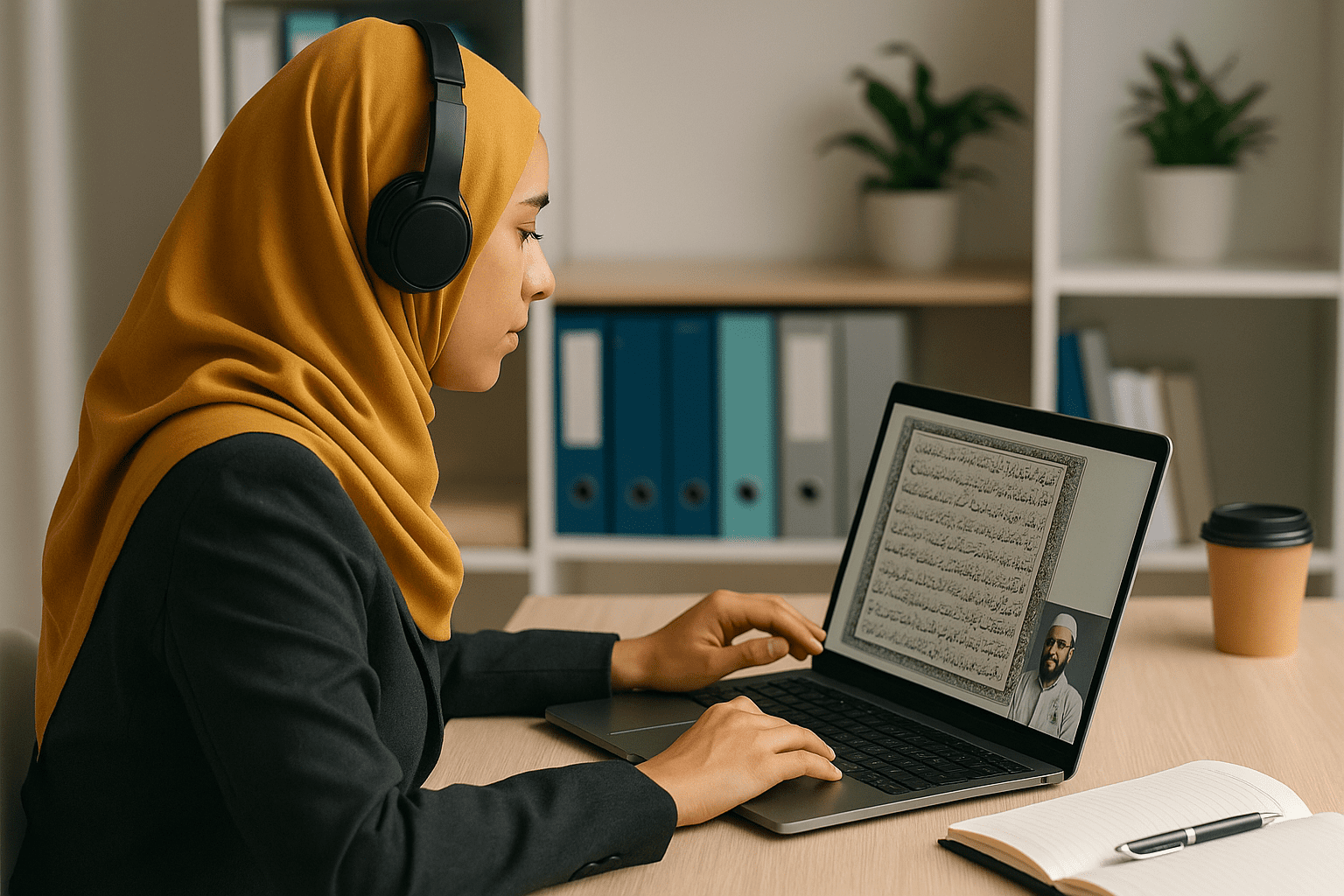
E-learning platforms provide opportunities for growth but also temptations to cheat. Islamic teachings emphasize sincerity and accountability, reminding students that true success lies in honest effort.
Practical Steps for Muslims in the Digital World
Digital Minimalism through Islamic Teachings
Islam encourages moderation in all things. By limiting screen time, avoiding useless scrolling, and prioritizing meaningful content, Muslims can practice zuhd (detachment from excess).
Balancing Technology and Spiritual Life
The digital age often distracts from prayer, family, and reflection. Setting boundaries—like switching off devices during prayer or family gatherings—helps restore balance.
Family Guidance and Youth Education in Tech
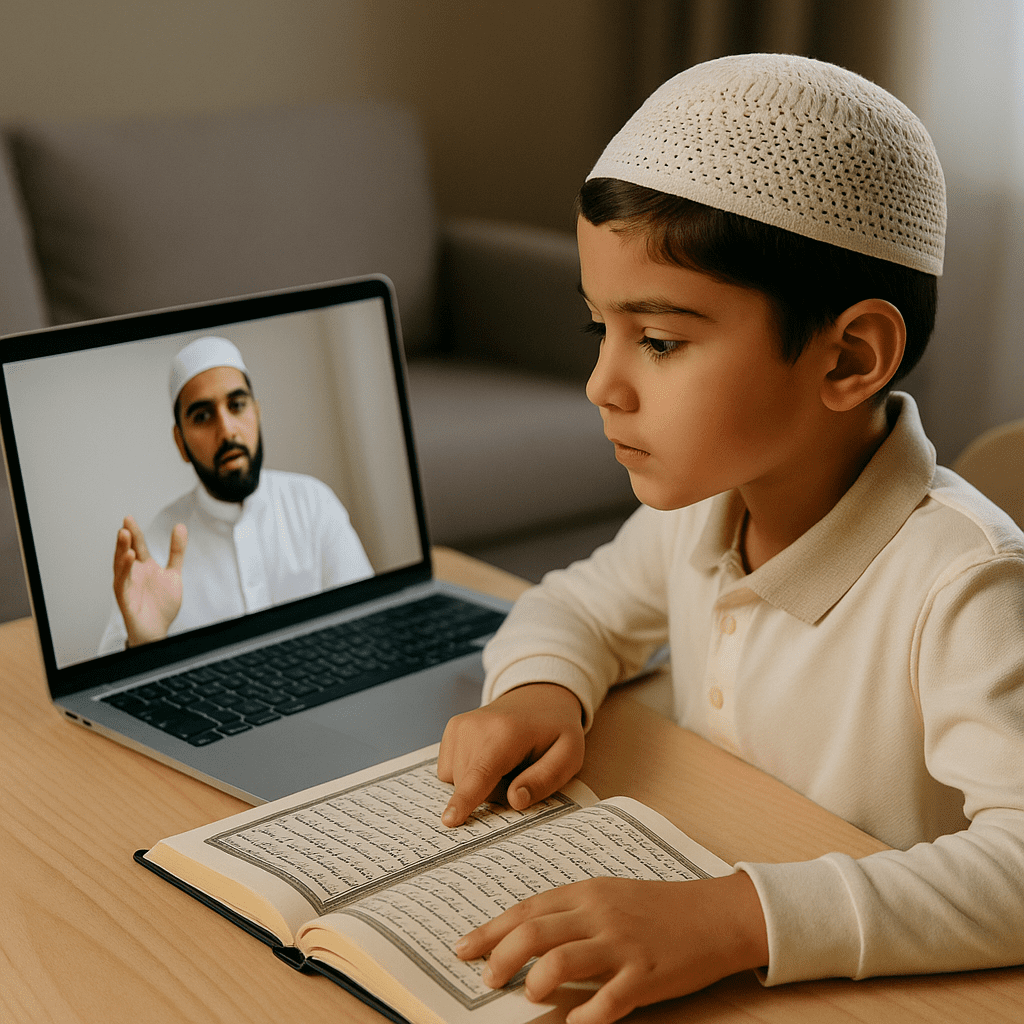
Parents have a duty to guide children in safe, ethical digital use. Teaching Islamic values alongside technical skills ensures that the next generation is equipped for both moral and technological challenges.
Global Relevance of Islamic Ethics in the Digital Era
Lessons for Humanity Beyond Muslim Communities
Though rooted in Islam, these moral teachings resonate universally. Respect, honesty, compassion, and justice are values that build healthy societies, regardless of religion.
Building a Digital World Based on Shared Values
By integrating Islamic moral teachings, humanity can create a more ethical digital space—one that promotes truth, protects privacy, and spreads positivity.
FAQs about Islamic Morality and Digital Age
1. Why are Islamic teachings important in the digital age?
They provide timeless guidance for ethical online behavior, ensuring honesty, respect, and responsibility in digital interactions.
2. How can Muslims apply honesty online?
By avoiding fake news, fact-checking before sharing, and being truthful in personal and professional digital dealings.
3. What does Islam say about online privacy?
Islam prohibits spying and exposing others’ faults, which means respecting privacy online is a moral duty.
4. Can social media be used for good according to Islam?
Yes. Social media can be a platform for da’wah (spreading Islamic teachings), charity campaigns, and sharing positive content.
5. How does Islam address cyberbullying?
It contradicts Islamic ethics, as the Prophet (PBUH) said: “A Muslim is the one from whose tongue and hand people are safe.”
6. What advice does Islam give to youth about technology?
Use technology wisely, balance it with worship and family time, and avoid harmful or time-wasting digital activities.
Conclusion: Bridging Faith and Technology
The digital age presents both opportunities and challenges. While it connects us like never before, it also tests our values and self-control. The importance of Islamic moral teachings in digital age cannot be overstated—they guide Muslims to use technology ethically, protect themselves from harm, and contribute positively to the global community.
By applying honesty, respect, modesty, and compassion online, Muslims can build not only a stronger faith-based identity but also a healthier digital environment for all of humanity.