
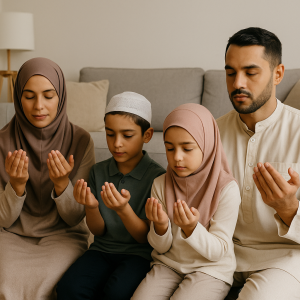
The importance of daily Duas in the life of a Muslim cannot be overstated. Dua is the believer’s strongest weapon, a way to connect directly with Allah, and the essence of worship. Just like our bodies need food and water to survive, our souls need daily Duas to thrive.
From waking up to going to bed, Islam has provided supplications for every moment of life. These Duas bring blessings, protect us from harm, and keep our hearts connected to Allah.
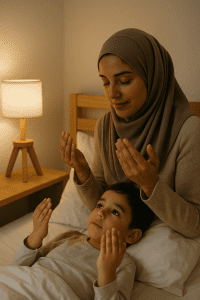
Duas are not limited to times of hardship; they are meant to be a daily practice. They keep Muslims mindful, grateful, and spiritually strong. Incorporating even a few Duas daily can transform the way we live and experience faith.
In Arabic, Dua means “calling out” or “supplication.” It is a way to ask Allah for guidance, mercy, and forgiveness while acknowledging our dependence on Him.
Allah says in the Quran:
“And your Lord says, ‘Call upon Me; I will respond to you.’” (Surah Ghafir 40:60)
The Prophet Muhammad ﷺ also said:
“Dua is worship.” (Tirmidhi)
This shows that making Dua is not optional — it is an act of worship itself.
Daily Duas nurture a close connection with Allah. When a believer raises their hands, they open their heart to Him.
By making Dua part of daily life, Muslims build habits of mindfulness, patience, and reliance on Allah.
Reciting the morning and evening supplications protects believers from harm and brings inner peace.
Adding short Duas before and after prayers increases concentration and draws a person closer to Allah.
Routine actions like eating, traveling, and sleeping become acts of worship when paired with Duas.
Reciting powerful phrases like “Hasbunallahu wa ni‘mal wakeel” calms the heart and removes fear.
Daily Duas help Muslims thank Allah for blessings and remain patient during trials.
When Muslims make Dua for someone else, the angels say: “Ameen, and for you the same.” (Muslim)
Praying for each other builds compassion and unity among Muslims worldwide.
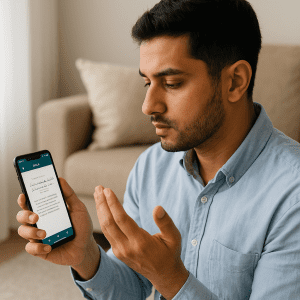
Apps like Hisnul Muslim and Quranic make it easy to access authentic Duas at any time.
Parents can teach Duas to children during meals, bedtime, or before school. This builds lifelong habits.
Start with 3–5 short Duas, then gradually build a routine that fits naturally into your day.
Q1: Are daily Duas obligatory?
A: They are not obligatory but highly recommended for blessings and protection.
Q2: Can I make Duas in my own language?
A: Yes, you can make Duas in any language. Arabic Duas are best, but personal Duas in your native tongue are accepted.
Q3: How many Duas should I recite daily?
A: Even a few consistent Duas daily are more beneficial than irregular long ones.
Q4: Do children need to learn Duas?
A: Teaching children Duas builds good habits and strengthens their Islamic upbringing.
Q5: What is the most powerful daily Dua?
A: Ayat al-Kursi and morning/evening adhkar are among the most powerful daily Duas.
The importance of daily Duas in the life of a Muslim is clear. They bring peace to the heart, blessings to life, and protection from harm. Daily Duas are simple, practical, and powerful tools that keep Muslims connected to Allah.
Whether you’re young or old, busy or free, you can start today. Even a few minutes of sincere Dua daily can transform your spiritual journey and bring success in both worlds.
