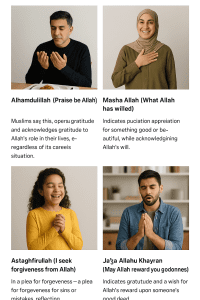
In today’s fast-paced world, people often seek peace, purpose, and mindfulness. For Muslims, Islamic expressions serve as powerful reminders of faith, gratitude, and humility in daily interactions. These sacred phrases — such as Bismillah (In the name of Allah), Alhamdulillah (Praise be to Allah), and Insha’Allah (If Allah wills) — are not just words; they reflect deep spiritual values that guide believers in every action, thought, and emotion.
Islamic expressions remind Muslims that every blessing, success, and challenge is part of Allah’s divine plan. They connect the tongue with the heart, ensuring that speech aligns with belief. In this article, we’ll explore the importance of these beautiful expressions in everyday life and understand how they help nurture a more conscious, peaceful, and grateful way of living.
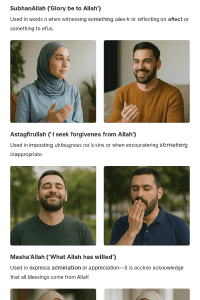
Islamic expressions keep Allah at the center of our daily routine. When Muslims say Bismillah before starting any task, they acknowledge that success comes only through Allah’s will. This constant remembrance (Dhikr) helps believers maintain a spiritual connection throughout the day, turning every act — from eating to working — into an act of worship.
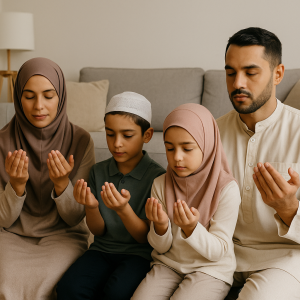
The phrase Alhamdulillah (All praise be to Allah) is used in all circumstances — after eating, waking up, completing a task, or even during hardship. It teaches the habit of gratitude and contentment. By saying Alhamdulillah, a Muslim recognizes that everything — good or bad — is a blessing from Allah. This attitude of thankfulness helps combat negativity and fosters emotional resilience.
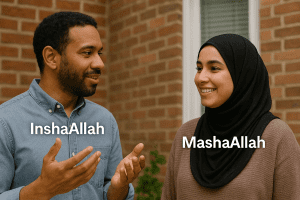
When a Muslim says Insha’Allah (If Allah wills), it reflects humility and trust in Allah’s plan. It reminds us that despite our best efforts, outcomes are determined by divine wisdom. Using this phrase promotes optimism and reduces anxiety because it places life’s uncertainties in Allah’s hands.

Assalamu Alaikum (Peace be upon you) is more than a greeting — it’s a prayer for peace and goodwill. It fosters love, unity, and brotherhood among Muslims. Responding with Wa Alaikum Assalam (And peace be upon you too) strengthens relationships, spreading harmony within families, communities, and workplaces.

Every human errs, but Islam emphasizes repentance. Saying Astaghfirullah (I seek forgiveness from Allah) keeps a believer humble and self-aware. It’s a daily reminder that Allah’s mercy is vast, and through repentance, one can cleanse their heart and soul from sins.
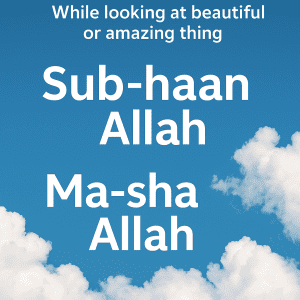
Masha’Allah (What Allah has willed) is said when admiring something or someone’s success. It prevents envy (hasad) and acknowledges that all blessings come from Allah. Using this expression reflects good etiquette and protects one from evil eyes.

Instead of a simple “thank you,” Muslims say JazakAllahu Khayran (May Allah reward you with goodness). This phrase carries a deeper spiritual meaning — it not only expresses gratitude but also prays for Allah’s reward upon the person’s kindness.

Allahu Akbar (Allah is the Greatest) reminds Muslims of Allah’s majesty and power. It’s said during prayer, upon hearing good news, or when feeling awe. It helps believers maintain perspective — that no matter how great human achievements are, Allah’s greatness surpasses all.
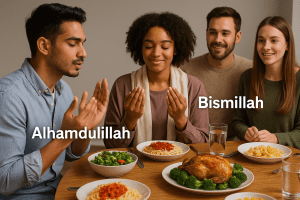
Starting with Bismillah (In the name of Allah) transforms simple tasks into spiritual acts. Whether beginning a meal, opening a book, or starting work, this expression aligns intention (niyyah) with faith. It’s a powerful way to ensure that all actions are performed with sincerity and purpose.
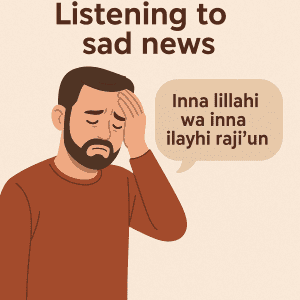
Islamic expressions create unity among Muslims worldwide, regardless of language, race, or culture. Whether you meet a Muslim in Africa, Asia, or Europe, these expressions serve as a bridge of connection and mutual understanding — reinforcing the global sense of the Ummah (community).
| Expression | Meaning | Usage Example |
|---|---|---|
| Bismillah | In the name of Allah | Before starting any task |
| Alhamdulillah | Praise be to Allah | When expressing gratitude |
| SubhanAllah | Glory be to Allah | When witnessing something beautiful |
| Insha’Allah | If Allah wills | When planning for the future |
| Allahu Akbar | Allah is the Greatest | During prayer or amazement |
| Astaghfirullah | I seek forgiveness from Allah | After committing a mistake |
| Masha’Allah | What Allah has willed | Upon seeing something admirable |
| JazakAllahu Khayran | May Allah reward you with goodness | To express thanks |
| Assalamu Alaikum | Peace be upon you | As a greeting |
| Wa Alaikum Assalam | And peace be upon you too | In response to a greeting |
Q1. Why do Muslims say Islamic expressions so often?
Muslims use these expressions to stay connected to Allah, express gratitude, seek forgiveness, and promote peace in their daily lives.
Q2. Can non-Muslims use Islamic expressions?
Yes, anyone can use them respectfully, especially greetings like Assalamu Alaikum which mean “peace be upon you.”
Q3. What is the importance of saying “Bismillah”?
It signifies that the action begins with Allah’s blessing, ensuring sincerity and divine guidance.
Q4. How does “Alhamdulillah” help mental health?
It cultivates gratitude and reduces stress by reminding believers to focus on blessings rather than problems.
Q5. When should “Insha’Allah” be used?
It’s used when referring to future events, acknowledging that everything happens by Allah’s will.
Q6. What is the difference between “Masha’Allah” and “SubhanAllah”?
Masha’Allah expresses admiration for something good, while SubhanAllah expresses wonder at Allah’s perfection.

Islamic expressions are not mere words — they are a reflection of a believer’s faith, gratitude, and humility. Using them daily transforms routine actions into acts of remembrance (Dhikr). They remind us that every breath, success, and moment is by Allah’s mercy. By consciously incorporating these sacred phrases into our lives, we cultivate peace within ourselves and spread it to those around us.
External Reference:
For further reading on the meaning of Islamic phrases, visit: IslamicFinder.org
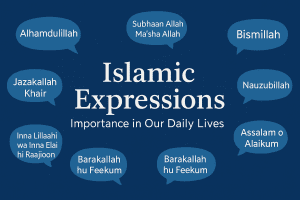
Islamic expressions serve as spiritual anchors — keeping hearts humble, tongues truthful, and souls mindful. The more we use them, the more our lives fill with barakah (blessings).