Kids Quran Teacher: What Qualities We Should Look For
Introduction: Why Choosing the Right Quran Teacher Matters
Every Muslim parent dreams of raising children who not only read the Quran but truly understand and live by its teachings. The journey toward nurturing that connection begins with one critical step — choosing the right kids Quran teacher.
In today’s fast-paced world, where distractions are abundant, the role of a skilled, compassionate Quran teacher becomes even more vital. A good teacher doesn’t just help your child recite verses; they instill love, respect, and a deep emotional bond with the words of Allah.
Selecting the right Quran teacher ensures that your child learns correct pronunciation (Tajweed), understands the meaning of verses, and builds an unshakable foundation of faith.

The Role of a Quran Teacher in a Child’s Spiritual Growth
Building the Foundation of Faith
A Quran teacher plays a monumental role in shaping a child’s relationship with Islam. Early exposure to Quranic teachings helps instill moral values, humility, and compassion. The teacher’s guidance sets the tone for a lifelong spiritual journey.
Nurturing a Lifelong Connection with the Quran
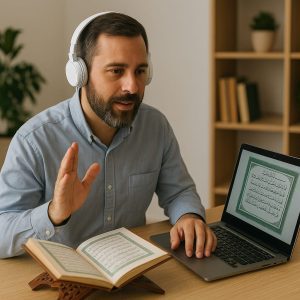
A skilled teacher doesn’t rush through lessons. Instead, they inspire curiosity — encouraging children to ask questions and reflect on meanings. This approach helps develop a genuine, lasting bond with the Quran, not just rote memorization.
Key Qualities to Look for in a Kids Quran Teacher
1. Profound Knowledge of the Quran and Tajweed
Understanding Quranic Arabic
A qualified teacher must have a solid command of Quranic Arabic. They should be able to explain vocabulary and context in simple, child-friendly terms. This helps kids grasp both recitation and meaning.
Mastery in Pronunciation and Recitation Rules
Proper Tajweed ensures that your child recites the Quran correctly, preserving its beauty and authenticity. A teacher with expertise in this area helps prevent lifelong errors in recitation.
2. Patience and Empathy with Children
How Patience Builds Confidence in Young Learners
Every child learns at their own pace. A patient teacher encourages progress without pressure, fostering confidence rather than fear. This nurturing approach keeps kids motivated and excited to learn.
Emotional Intelligence in Islamic Education
A Quran teacher should understand children’s emotions, creating a warm and supportive environment. A calm, empathetic tone helps make learning the Quran a joyful experience.
3. Effective Teaching Skills and Methodology
Tailoring Lessons for Different Age Groups
A five-year-old’s learning capacity differs from a ten-year-old’s. Great teachers adjust their methods accordingly — using storytelling, games, and repetition to make lessons engaging.
Using Interactive and Creative Teaching Aids
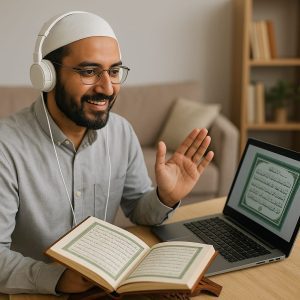
Incorporating visual aids, audio recordings, and interactive quizzes helps kids retain what they learn. Technology, when used wisely, can make Quran learning more fun and effective.
4. Strong Islamic Character and Good Manners (Akhlaq)
Being a Role Model for Students
Children naturally imitate their teachers. A Quran teacher who embodies Islamic values — honesty, kindness, and respect — will influence students beyond the classroom.
Teaching Through Example and Kindness
A teacher who practices what they preach teaches more through action than words. Their behavior reinforces the moral lessons embedded in the Quran.
5. Consistency and Professionalism
Regular Scheduling and Commitment
Punctuality and consistency build trust between parents, teachers, and students. Regular lessons prevent gaps in learning and show the teacher’s dedication.
Maintaining Clear Communication with Parents
A professional teacher updates parents about progress, challenges, and milestones. Open communication ensures collaborative support for the child’s development.
6. Adaptability to Online Learning Platforms
Benefits of Online Quran Learning for Kids
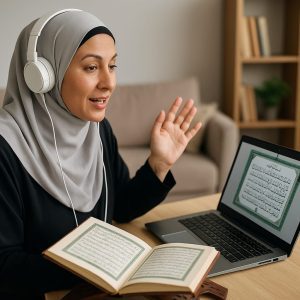
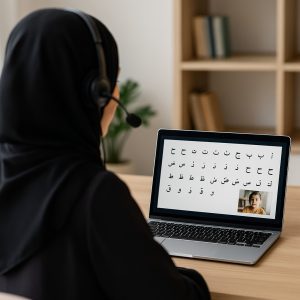
Online Quran classes have become increasingly popular for their flexibility and accessibility. A good online teacher knows how to engage children through screens effectively.
Tools and Techniques for Virtual Classes
Using tools like digital whiteboards, screen sharing, and interactive recitation apps can make virtual Quran learning enjoyable and effective.

How to Identify the Right Quran Teacher for Your Child
Questions to Ask Before Hiring a Teacher
What qualifications or ijazah (certification) do you hold?
How do you handle shy or easily distracted children?
What teaching materials or online tools do you use?
Can you provide trial classes?
Trial Classes: A Valuable Step in Decision-Making
Trial lessons allow parents to observe the teacher’s interaction style, patience level, and ability to connect with children before committing long-term.
Common Mistakes Parents Make When Choosing a Quran Teacher
Focusing Only on Credentials, Not Personality
While qualifications matter, the teacher’s personality, kindness, and teaching style have an even greater impact on your child’s motivation to learn.
Ignoring the Child’s Learning Style
Some children are visual learners; others are auditory or kinesthetic. A mismatch between teaching and learning styles can make the child lose interest quickly.
The Benefits of a Qualified Quran Teacher for Kids
Spiritual, Emotional, and Academic Growth
A competent teacher not only teaches Quranic recitation but also nurtures emotional intelligence, discipline, and responsibility — essential traits for life.
Building Confidence and Responsibility Through Learning
Children who understand the Quran gain confidence in their identity as Muslims. They learn to take pride in their religion and values.
FAQs About Hiring a Kids Quran Teacher
1. What age is best for kids to start learning the Quran?
The ideal age is between 4 and 7 years, but it depends on the child’s attention span and interest.
2. Should I choose an online Quran teacher or a local one?
Both options work well. Online teachers offer flexibility, while in-person lessons can be more personal. Choose based on your child’s comfort level.
3. How long does it take for a child to learn to read the Quran?
It typically takes 1–3 years, depending on the child’s pace, consistency, and teacher’s effectiveness.
4. What if my child loses interest in Quran lessons?
Talk to the teacher to modify the learning approach with games, stories, or shorter lessons to reignite motivation.
5. Are female Quran teachers better for younger kids?
Many parents prefer female teachers for younger children due to their nurturing and patient approach, but it ultimately depends on the teacher’s skill.
6. How do I know if my child is progressing?
Regular recitation assessments, feedback sessions, and consistent improvement in pronunciation indicate healthy progress.

Conclusion: Investing in the Right Quran Education for Your Child
Choosing the right kids Quran teacher is more than finding someone who can recite beautifully. It’s about finding a mentor who nurtures your child’s faith, discipline, and love for the Quran.
A compassionate, patient, and knowledgeable teacher can plant the seeds of Iman (faith) that grow strong throughout life. As parents, take your time to find that one teacher who doesn’t just teach — but truly inspires

Ready to Begin Your Child’s Quran Learning Journey?
Give your child the gift of faith, confidence, and Quranic understanding with expert-guided lessons designed for young learners. At AccessQuran.com, we connect you with certified, compassionate Quran teachers who specialize in teaching kids through engaging, interactive, and personalized sessions — both online and in-person.
✅ What You’ll Get:
Live 1-on-1 Quran classes tailored to your child’s pace
Qualified male and female tutors with verified credentials
Tajweed-focused recitation and understanding of Quranic meanings
Flexible schedules and affordable packages
👉 Enroll today at AccessQuran.com and let your child fall in love with the words of Allah — one beautiful verse at a time.