Meta Description:
Discover how Quran stories shape children’s hearts and minds, nurturing strong faith, moral values, and emotional intelligence in today’s generation. Learn how parents and teachers can use Quranic narratives to inspire young Muslims.
Storytelling has always been one of humanity’s most powerful teaching tools — and in Islam, it holds a divine purpose. The Quran, rich with timeless stories of prophets, nations, and moral lessons, was revealed not just for adults but also to guide young minds toward truth, faith, and righteousness.
For children, stories are a bridge between imagination and understanding. Quran stories capture their hearts, inspire their thoughts, and nurture their souls — forming a foundation of strong faith (iman) that lasts a lifetime.

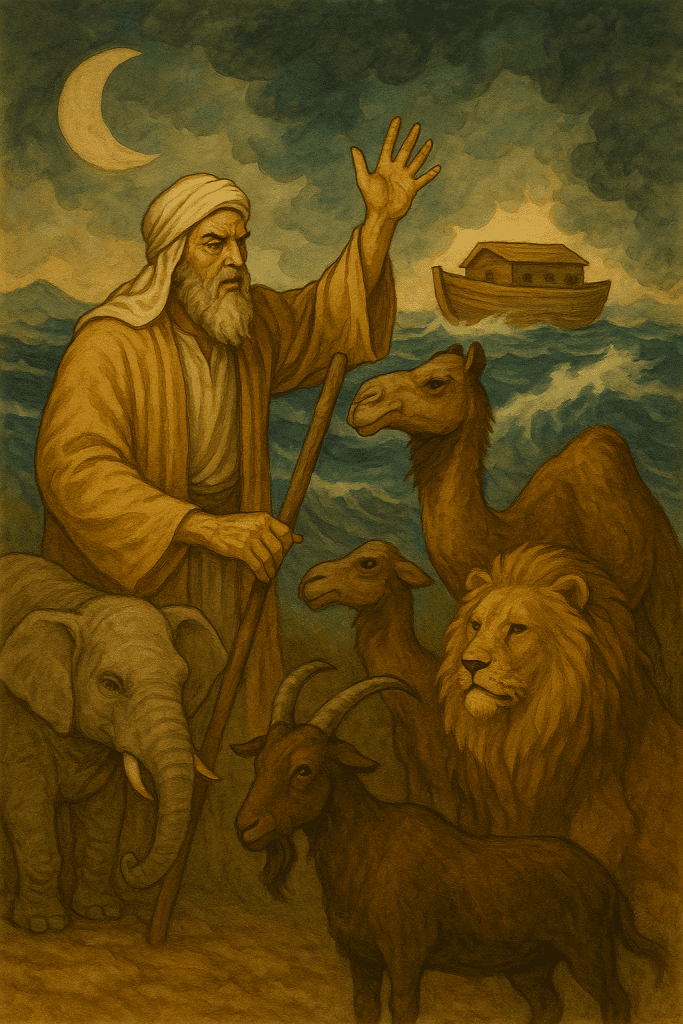
Each story in the Quran is a treasure chest of wisdom. The narratives of Prophet Yusuf (A.S.), Musa (A.S.), Ibrahim (A.S.), and others are more than historical accounts — they are moral compasses for every generation.
Patience and Perseverance: Prophet Yusuf’s story teaches that even in adversity, Allah’s plan is perfect.
Faith and Courage: Prophet Musa’s journey reminds children to trust Allah even when the odds seem impossible.
Obedience and Sacrifice: Prophet Ibrahim’s unwavering devotion exemplifies total submission to the Creator.
When children absorb these values early, they develop emotional resilience, moral clarity, and a love for Allah (SWT) that anchors them through life’s challenges.

Quran stories not only shape spiritual growth but also influence emotional and intellectual development.
Boosting Imagination: Children visualize ancient settings, miracles, and moral triumphs, expanding creativity.
Encouraging Empathy: They learn to feel the pain, hope, and faith of prophets, nurturing compassion for others.
Developing Moral Reasoning: As kids reflect on right vs. wrong in these stories, they form strong ethical principles.
Such storytelling stimulates both hearts and minds, making learning enjoyable and spiritually enriching.

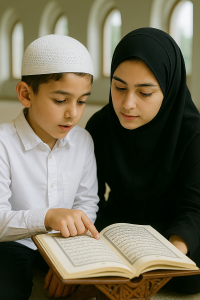
Parents and teachers are the first storytellers in a child’s life. The way they share Quranic stories greatly impacts how children perceive faith.
To make stories relatable and memorable:
Use simple language suitable for their age.
Explain how the moral applies in daily life.
Engage them with questions like, “What would you do if you were in Prophet Yusuf’s place?”
Teachers in Islamic schools can also use visual aids, puppetry, or digital storyboards to bring these divine tales to life.

Let’s look at three Quranic stories every Muslim child should know:
Prophet Yusuf (A.S.) – The Beauty of Patience: Teaches children to stay truthful and trust Allah’s plan, even in hardship.
Prophet Musa (A.S.) – Faith Against Fear: Inspires courage and reliance on Allah when facing difficulties.
Prophet Ibrahim (A.S.) – True Obedience: Demonstrates love, faith, and sacrifice for Allah’s sake.
Each story helps children form a moral compass and a sense of purpose in a fast-changing world.

In today’s digital age, Quran stories can be shared through creative and interactive mediums:
Animated story videos on YouTube Kids or Islamic apps.
Storytelling podcasts designed for bedtime learning.
Illustrated eBooks and interactive quizzes to reinforce lessons.
These tools make spiritual education fun and engaging while keeping the message authentic and age-appropriate.

When children grow up hearing and internalizing Quran stories, they develop a strong sense of Muslim identity. They learn to stand proudly by their values, respect diversity, and act with kindness and justice.
Such upbringing not only creates confident young Muslims but also compassionate global citizens.

Introducing Quran stories from an early age helps:
Build emotional bonding between parent and child.
Instill love for the Quran before formal recitation begins.
Encourage lifelong spiritual curiosity.
Even short daily story sessions can become moments of joy, faith, and family connection.
 How Quran Stories Counter Negative Influences
In a world filled with conflicting values, Quran stories provide moral clarity. They teach children to discern between truth and falsehood, compassion and cruelty, humility and arrogance.
This helps protect young minds from harmful media and peer pressure, grounding them in Islamic ethics and divine wisdom.

Here are some easy ways to include Quran stories in your child’s daily routine:
Tell one short story before bedtime every night.
Use Quran story coloring books during playtime.
Let kids retell stories in their own words to strengthen understanding.
Connect every story’s lesson to real-life events (“This reminds me of Prophet Musa’s courage.”).

Interactive activities help kids internalize Quran lessons deeply:
Drawing favorite story moments.
Creating story cards with short morals.
Role-playing prophets’ journeys in class or at home.
These creative exercises turn learning into a joyful, faith-centered experience.
Here are some recommended resources for different age groups:
| Age Group | Book Title / Resource | Format |
|---|---|---|
| 3–6 years | “Goodnight Stories from the Quran” by Saniyasnain Khan | Illustrated book |
| 7–10 years | “Stories of the Prophets for Kids” by Learning Roots | Book + Audio |
| 10+ years | “The Prophets of Allah Series” by Darussalam | Multi-volume |
| All ages | IslamicStoryBooks.com | Free online stories |
Parents and teachers worldwide share inspiring transformations.
Children who once struggled with anger or fear became calmer after learning about Prophet Yusuf’s patience or Prophet Musa’s bravery.
Such stories teach emotional control, forgiveness, and gratitude — qualities essential for a peaceful soul.
1. Why are Quran stories important for children?
They teach faith, morals, and emotional intelligence in an engaging, age-appropriate way.
2. What’s the best age to start Quran storytelling?
As early as 3 years old — even toddlers can grasp basic lessons of kindness and truth.
3. Can digital media be used to teach Quran stories?
Yes! Animated videos, apps, and audio stories make learning fun and accessible.
4. How often should Quran stories be told?
Ideally, daily or at least a few times a week to maintain engagement and consistency.
5. Which story should be taught first?
Start with simple stories like Prophet Yusuf (A.S.) or Prophet Nuh (A.S.) to introduce key morals.
6. How do Quran stories help with moral behavior?
They shape conscience by showing real examples of integrity, patience, and devotion to Allah.

Incorporating Quran stories into a child’s upbringing is more than an educational act — it’s an investment in faith, character, and the future of the Muslim ummah.
Through storytelling, we can nurture a generation that is spiritually aware, morally upright, and emotionally balanced — young hearts illuminated by the timeless light of the Quran.