SEO Meta Description:
Learn how to choose the right online Islamic Studies course alongside Quran learning by understanding key factors like authenticity, curriculum, instructors, and digital flexibility. Perfect your Islamic knowledge with ease and spiritual focus.
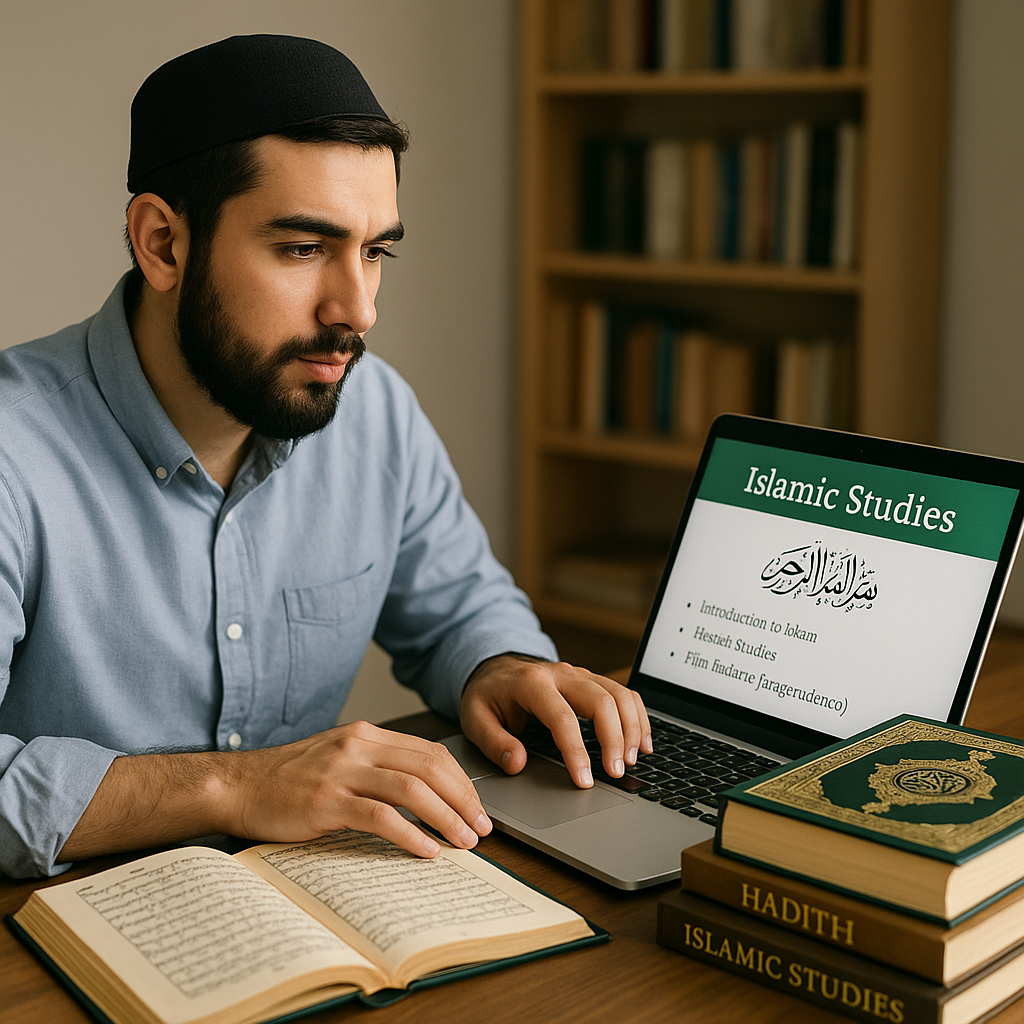
In today’s fast-paced digital world, more Muslims around the globe are turning to online Quran and Islamic Studies courses to strengthen their faith and deepen their understanding of Islam. Whether you’re a student, a working professional, or a parent, the flexibility of learning from home has opened new doors for spiritual growth and religious education.
Online platforms now make it easier than ever to study the Quran, learn Hadith, Fiqh, Seerah, and more — all guided by qualified scholars and authentic Islamic institutions.
But with so many options available, the real challenge lies in choosing the right Islamic Studies course that complements your Quran learning journey.
The beauty of online Islamic education lies in its accessibility. You no longer need to travel miles or rearrange your schedule to attend a madrasa. Courses are now just a click away — whether it’s learning Quran recitation (Tajweed) or studying Islamic jurisprudence (Fiqh).
Modern technology allows you to study at your own pace. Many institutions offer recorded lectures, live sessions, and digital libraries, giving students the freedom to learn anytime, anywhere. This convenience has encouraged thousands to reconnect with their faith through structured and meaningful Islamic learning.
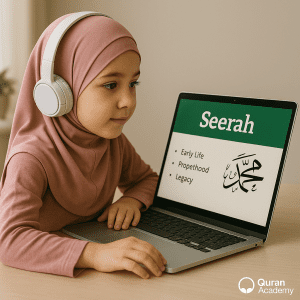
The Quran is the ultimate source of guidance, but understanding its message deeply requires knowledge from Hadith, Tafsir, and Fiqh. Islamic Studies bridge that gap — helping learners apply Quranic teachings in daily life.
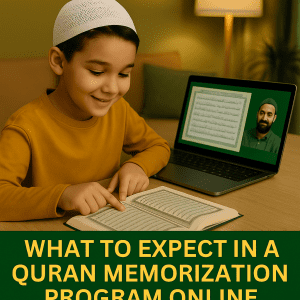
Courses in Islamic Studies enhance comprehension by exploring the historical, ethical, and social context of Quranic revelations. This leads to a more holistic understanding of Islam and strengthens your connection to Allah.
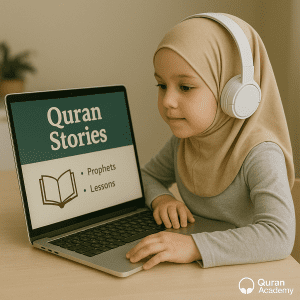
Choosing wisely ensures your learning journey is both authentic and spiritually rewarding. Here are five crucial factors to evaluate:
Ensure the online platform is recognized by reputable Islamic organizations or scholars.
Look for visible accreditation details, course endorsements, or affiliations with respected institutions like Al-Azhar, Madinah University, or Islamic Online University.
A quality program should offer a balance of subjects like Tafsir, Aqeedah, Hadith, Seerah, and Fiqh, alongside Quranic studies.
Ensure the curriculum connects theory with practice — not just memorization but application.
Choose courses led by scholars with Ijazah (authorization) or advanced degrees in Islamic sciences. Their guidance ensures you learn correctly and confidently.
The best programs offer self-paced modules or flexible timings, allowing you to maintain balance between Quran memorization and Islamic coursework.
Interactive features like student forums, live Q&A sessions, and mobile apps make the learning process engaging and practical.
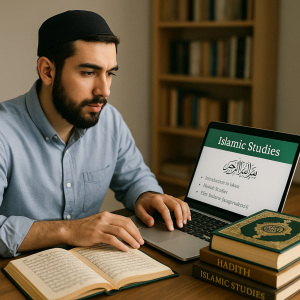
Some top-rated and authentic platforms include:
Bayyinah Institute – Known for Arabic and Quranic linguistics.
AlMaghrib Institute – Offers structured Islamic Studies and Quranic sciences.
SeekersGuidance – A non-profit providing authentic, free Islamic learning.
Quran Academy – Specializes in Quran memorization with certified tutors.
Most courses range between $20–$100/month, depending on the instructor’s expertise and certification level. Durations vary from 3 months to 1 year, with many offering digital certificates.
Stay consistent: Set a weekly learning schedule.
Engage actively: Participate in discussions and ask questions.
Take notes: Maintain a digital or physical notebook for reflections.
Seek spiritual balance: Apply what you learn in daily life.
Ignoring institutional authenticity.
Overlooking curriculum relevance to Quranic teachings.
Choosing purely based on cost or convenience.
These mistakes can hinder true spiritual and intellectual growth.
1. What are the benefits of combining Quran learning with Islamic Studies?
It creates a comprehensive understanding of Islam, combining divine revelation with scholarly interpretation.
2. How can I verify if an Islamic course is authentic?
Check for accreditations, instructor qualifications, and scholarly endorsements.
3. What subjects should be included in a good Islamic Studies curriculum?
Quran, Tafsir, Hadith, Fiqh, Seerah, and Aqeedah are essential components.
4. How long does it take to complete an online Islamic Studies course?
Typically 6–12 months, depending on the level and intensity.
5. Can children also enroll in online Islamic courses?
Yes, many platforms offer age-appropriate Quran and Islamic learning modules.
6. Which online Islamic platforms are best for beginners?
SeekersGuidance, Quran Academy, and Bayyinah are ideal for foundational learners.

Choosing the right online Islamic Studies course alongside your Quran learning is more than an academic decision — it’s a step toward spiritual growth. With authentic guidance, structured learning, and modern tools, you can develop both religious understanding and personal discipline in your journey toward Allah.