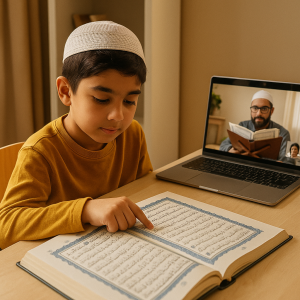
Tajweed is one of the most important aspects of Quranic recitation. It is the art of correctly pronouncing the letters, elongations, and sounds of the Quran exactly as they were revealed to the Prophet Muhammad ﷺ. Understanding
The Importance of Tajweed: Why Every Muslim Should Learn It is essential for anyone who wishes to recite the Quran with beauty, accuracy, and respect.
Whether you’re a beginner or someone who has been reading the Quran for years, Tajweed elevates your recitation and deepens your spiritual connection.
Tajweed comes from the Arabic word jawwada, which means “to make better.” In Quranic recitation, Tajweed means applying rules to ensure each letter is pronounced from its proper place with correct characteristics.
Without Tajweed, recitation can become unclear, inaccurate, or even change the meaning of Allah’s words (may Allah protect us). With Tajweed, however, the Quran flows with precision, beauty, and harmony.
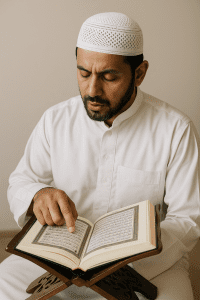
Reciting with Tajweed allows you to feel the message of the Quran more strongly. The rhythm, the pauses, and the emotion all come alive.
The Prophet ﷺ said that those who struggle to recite the Quran receive double the reward. Imagine the reward for those who strive to perfect it with Tajweed.
You get the honor of reciting the Quran the way Jibreel (AS) taught the Prophet ﷺ — preserving the sacred chain.
Arabic is a precise language. A slight change in sound can change the meaning of an entire word.
When you recite correctly, your heart can focus more on the meaning rather than struggling with the pronunciation.
You don’t need to be a Qari — Tajweed naturally beautifies your voice and brings peace to your recitation.
Tajweed is not only for imams, Qaris, or scholars. It is for:
Children
Adults
Reverts
Elders
Anyone who wants to improve
The Quran is for all Muslims, and reciting it correctly is part of honoring Allah’s book.
 — Builds Strong Reading Habits
Beginners who learn with Tajweed never develop bad pronunciation habits.
Students recite louder, clearer, and with more motivation.
Proper pronunciation makes memorization smoother and more accurate.
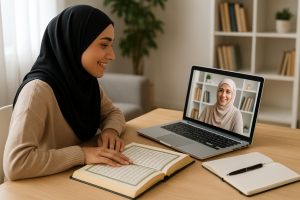
Online Tajweed classes have become extremely popular because they offer:
✔ 1-on-1 learning
✔ Flexible scheduling
✔ Certified teachers
✔ Lessons from anywhere
✔ Recording options for revision
AccessQuran.com provides structured Tajweed lessons designed for all ages and levels.
Reading letters from the wrong makhraj
Not applying elongation correctly
Rushing through verses
Imitating reciters without understanding rules
Not reviewing past lessons
Learning from apps alone without a teacher
Avoiding these mistakes protects the meaning of the Quran and strengthens your recitation.
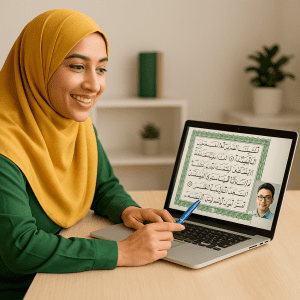
Start with Noorani Qaida
Learn the Arabic letters and sounds
Study basic Tajweed rules
Get a qualified Quran teacher
Practice daily (10–15 minutes)
Listen to expert reciters
Revise consistently
With proper guidance, anyone can master Tajweed — even starting from zero.
It is obligatory to recite the Quran correctly enough to avoid changing meanings, and Tajweed helps achieve that.
Absolutely — thousands of adults learn Tajweed online every year.
Beginners usually learn basic Tajweed within 2–4 months.
No — Tajweed can be learned alongside Quran reading.
Yes, especially with certified teachers and structured lessons like AccessQuran.com.
Children ages 4–10 learn fastest, but adults often learn more deeply.
 Conclusion: Tajweed Protects the Beauty of the Quran
Learning Tajweed is one of the greatest investments you can make in your relationship with Allah. It strengthens your recitation, builds confidence, and allows you to experience the Quran with clarity and beauty.
Every Muslim — young or old — deserves to recite the Quran properly.

AccessQuran.com
📌 Certified male & female Quran teachers
📌 1-on-1 online lessons
📌 Beginner-friendly Tajweed programs
📌 Flexible class timings for all time zones
📌 Classes for kids, adults, and reverts
👉 Click here to book your FREE trial class now at AccessQuran.com