
Advantages and Disadvantages of Online Quran Learning (Why the Pros Outweigh the Cons)
🕌 Advantages and Disadvantages of Online Quran Learning (Why the Pros Outweigh the Cons)
In the last decade, online Quran learning has become one of the most popular ways for Muslims around the world to connect with the Book of Allah from the comfort of their homes. Whether you’re in New York, Nairobi, or Karachi, all it takes is a laptop, an internet connection, and a sincere intention to begin your Quran journey.
While traditional madrassas have been the backbone of Quranic education for centuries, modern technology has made it easier for children and adults to access qualified teachers, flexible schedules, and structured lessons globally. Like any form of digital education, though, there are advantages and disadvantages of online Quran learning.
But here’s the truth: with the right approach, the benefits far outweigh the drawbacks.

Online Quran learning is the study of Qur’anic recitation, tajweed, memorization (Hifz), and Tafseer through virtual classes — usually via video calls or e-learning portals. Students interact live with certified tutors who guide them in pronunciation, memorization, and understanding.
These classes combine the sacredness of traditional learning with the accessibility of digital tools. Students often use shared digital mushafs, interactive tajweed boards, and session recordings to enhance progress.
 Advantages of Online Quran Learning
Let’s explore the remarkable advantages that make this method so effective.

One of the biggest advantages of online Quran learning is global access. Families can find expert Quran tutors from Egypt, Saudi Arabia, Pakistan, or Indonesia — all from home. You’re no longer limited to local madrassas or imams.
This global network ensures you or your child learn from instructors with proper Ijazah and specialization in tajweed, qira’at, or Hifz programs.
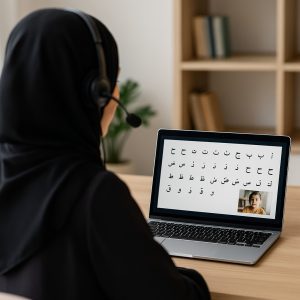
Families today juggle school, work, and extracurricular activities. Online Quran lessons let students study at their own pace, choosing timings that suit their daily schedule. No need to travel or miss a session — everything happens from home.
Flexibility also allows consistent learning — which is the secret to steady Quranic progress.

Online Quran platforms offer one-on-one sessions, ensuring personalized attention. A good tutor tailors lessons to the student’s level, focusing on weak points and pacing according to progress.
For shy children or adult beginners, this setting feels more comfortable and less intimidating.

In today’s world, safety is crucial. With online Quran learning, parents can monitor their children’s lessons easily. Classes are often recorded, teachers are verified, and the environment remains secure — all while maintaining proper Islamic etiquette and comfort.

Compared to traditional academies, online Quran lessons are often more affordable. Families save money on transportation, uniforms, and other physical expenses. Many platforms even offer free trial classes, monthly packages, and discounts for multiple children.
 6. Modern Tools and Interactive Resources
From AI pronunciation tools to tajweed apps, online Quran learning uses digital resources that make lessons more interactive. Students can replay teacher recitations, test their progress through quizzes, and store recorded lessons for future review.
Disadvantages of Online Quran Learning (and How to Fix Them)
While online learning brings convenience, some drawbacks exist — but each one can be solved with proper guidance.

1. Limited Focus and Distraction
Children, especially younger ones, can easily lose focus or get distracted by games or other browser tabs during online sessions.
Solution: Keep lessons short (25–30 minutes) and include small quizzes or rewards for focus. Parental supervision during sessions also helps maintain discipline.

Poor internet connection or software issues can disrupt lessons.
Solution: Have a stable Wi-Fi connection and a secondary data plan. Choose platforms with built-in offline resources or downloadable lessons.

Without a physical teacher presence, some students may become less serious or even lazy during lessons.
Solution: Parents should set up a dedicated, quiet study area with minimal distractions and consistent attendance tracking.

Motivation is key in Quran learning — and online classes can sometimes feel impersonal.
Solution: Encourage spiritual motivation by setting goals (e.g., memorizing a Surah per month) and celebrating achievements. Join online Quran competitions or group recitations for motivation.

When choosing an online Quran learning academy, check for:
Popular trusted platforms include: TarteeleQuran and Qutor.
FAQs
Yes — when sessions are engaging and short, children adapt quickly. Interactive lessons and parent encouragement help maintain focus.
Children as young as 5 can begin Qaida and tajweed basics online under supervision.
Absolutely! Adults benefit from flexible scheduling and private sessions at their own pace.
Average prices range between $30–$70 per month depending on class frequency and teacher experience.
Maintain consistency, set achievable goals, and ensure a distraction-free environment.
Most platforms offer both male and female tutors, allowing students to choose based on comfort.
Conclusion
Online Quran learning bridges the gap between tradition and technology. It allows Muslims of all ages to connect with the Quran regardless of geography, time zone, or background. While challenges exist — such as distractions or technical hurdles — the solutions are simple and effective.
With sincere intention (niyyah), family support, and reliable teachers,— we can make it one of the most accessible and powerful ways to grow spiritually in our modern world.